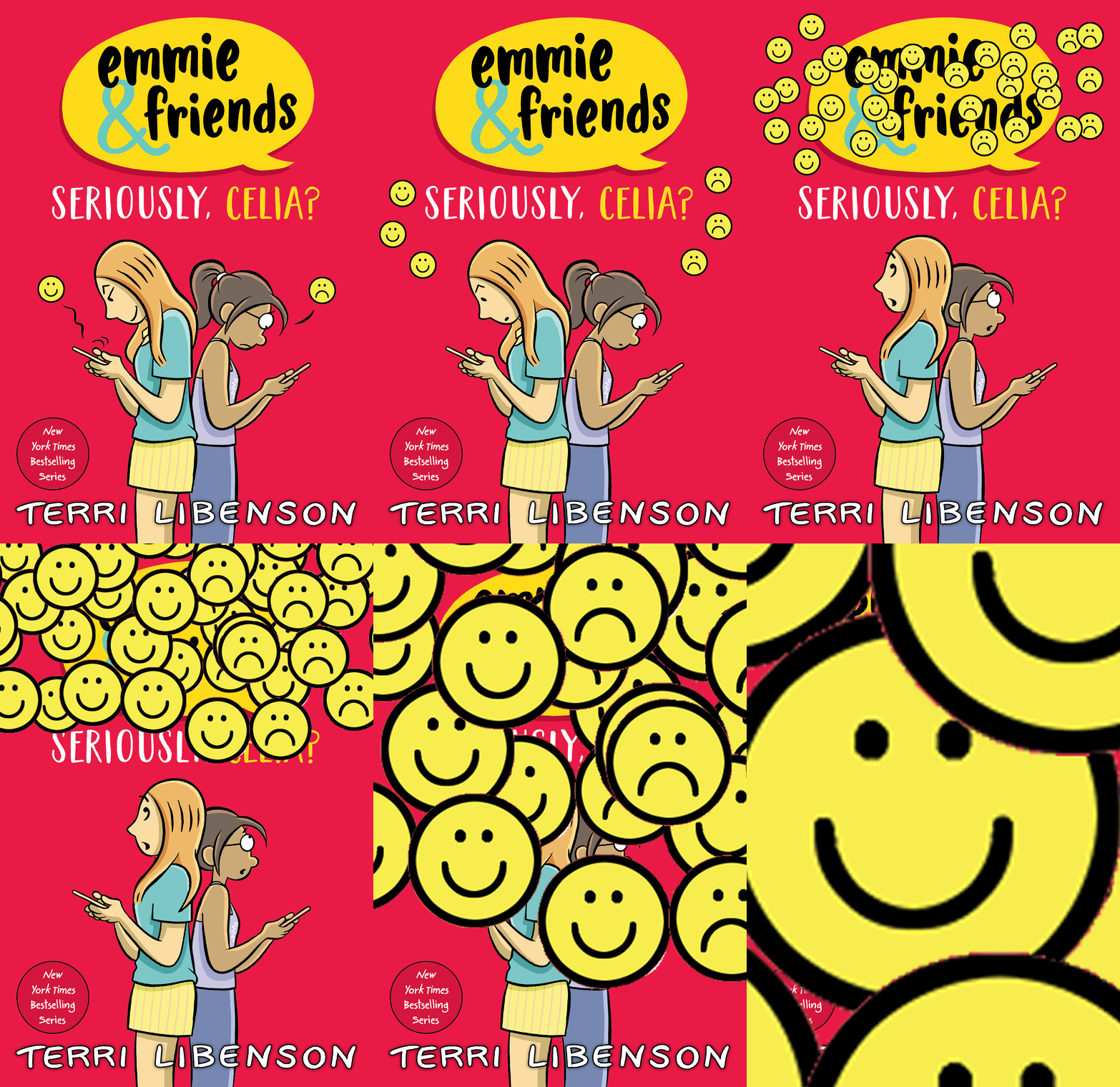
The Making of Seriously, Celia?
About a dozen years ago, one of my kids went through a brutal breakup. It wasn’t a romantic relationship – it was a breakup from her circle of eighth grade friends. They had a tumultuous relationship to begin with. Lots of in-group fighting and tension for months. Honestly, it was easy to see from the outside that this was a toxic bunch and not the right fit. But of course, that wasn’t something my husband or I could easily communicate to our daughter. She was thirteen and wouldn’t listen to us. She kinda had to go through it, for better or worse.
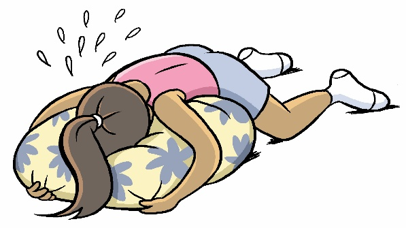
Well, “worse” happened…at least in the short term. Not only did those girls dump her via group text, but they decided to list all her faults to justify the dumping. Ouch.
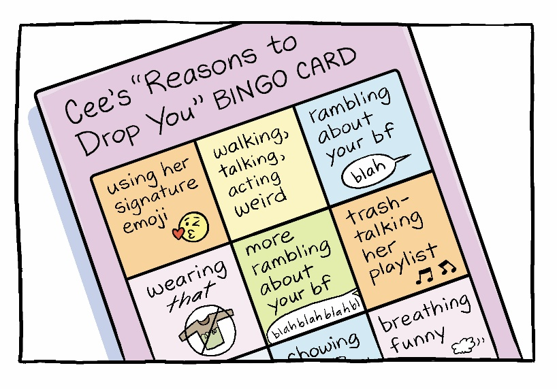
Bonus: this happened the night before our family drove 19 hours from Ohio to Florida for spring break. You can imagine how that drive went. To my daughter’s credit, she was a trooper. She tried to put the whole mess behind her and focus on the trip. We ended up having a good time (go figure). Of course, there were moments punctuated with tears when the memory hit her. Still, total trooper.
The good news: after spring break, my daughter’s old group of elementary school friends (whom she had drifted away from) heard what happened and were horrified on her behalf. They welcomed her back into the fold. Our daughter was suddenly herself again, and it was clear she belonged with this set. In fact, they all remained friends throughout high school and beyond.
This particular trauma loosely inspired the plot for JUST JAIME (with permission from my daughter). When it happened, I was justifiably angry on my kid’s behalf. But a few years of distance — along with LOTS of reading on the psychology of adolescents – reinforced the idea that every story has two sides. And since my books tend to present dual perspectives, I knew I had to tell the story of exclusion from the POV of both the dumpee AND the dumper. I’m glad I did. It made me realize how much pressure ALL kids face just to feel included.
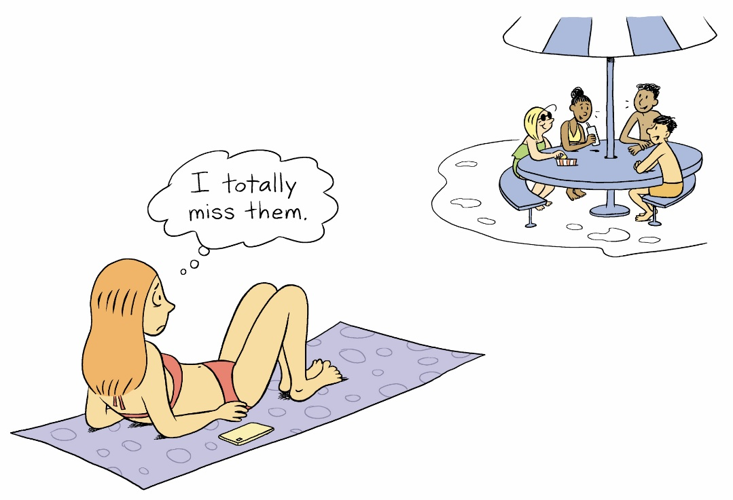
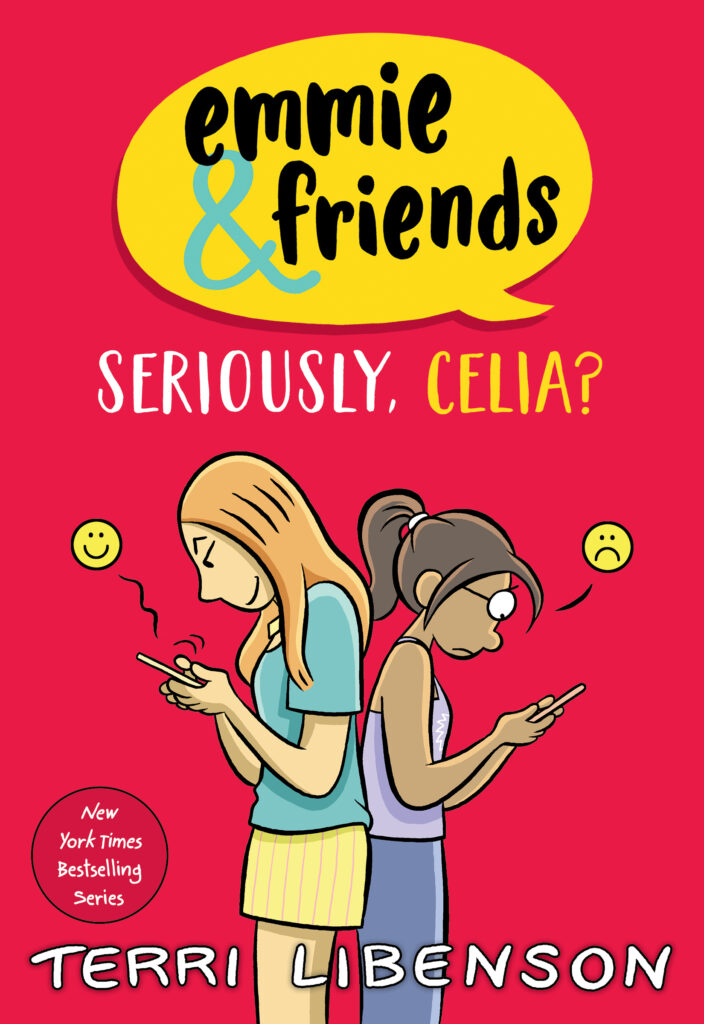
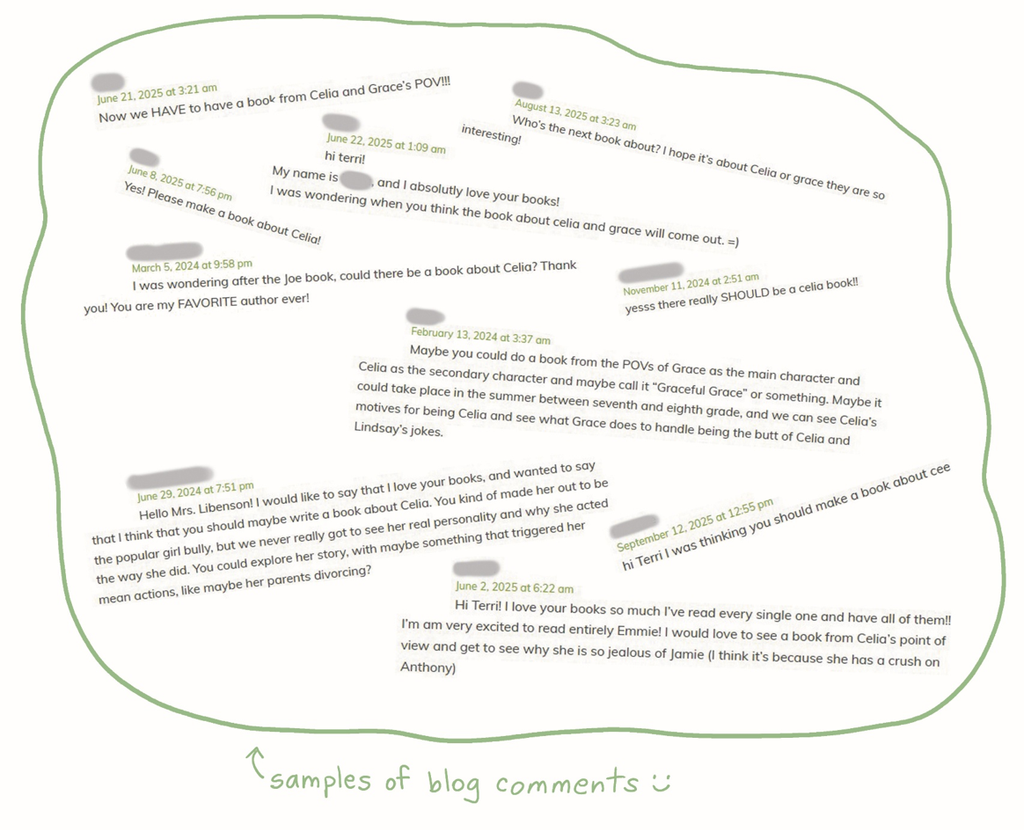
When writing JUST JAIME, I introduced two new characters, Celia and Grace. Celia was the queen bee (“Queen Cee”) or quintessential mean girl of seventh grade who needed to control everything and everybody. Grace was her “wannabe” sidekick. At first, they seemed kinda stereotypical. But as both the story and book series advanced, I tried to include hints that their lives weren’t as charmed as we first thought. This seemed to make readers more sympathetic and curious, culminating in many emails, letters, and blog comments requesting a “Celia” or “Grace” book.
Which brings us to now.
I, too, wanted to flesh out Celia’s and Grace’s stories. What shaped their lives? Why was Celia so mean? There had to be a reason. And why was Grace so wishy-washy and did everything Celia told her to do?
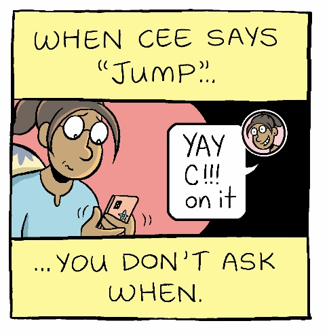
So, I dug into it and came up with backgrounds and character traits that shaped their personalities. Celia and Grace became so real to me – people I felt I knew personally. That’s why I gladly fell back into that tornado of high stakes friendship drama – the kind that seemed like life or death when you were in the thick of it. I also realized that “cool kids” and “shy kids” (like Emmie) weren’t all that different; everything stemmed from insecurity. It just motivates people in different ways. It made Celia want to control her environment. It made Grace want to please Celia.
In SERIOUSLY, CELIA?, we see how the characters grow and adapt when new obstacles hurl their way. There are themes of self-discovery, vulnerability, and understanding, as well as a surprising undercurrent of compassion in this story.
There are also the laughs you’ve come to expect. I hope. 🙂
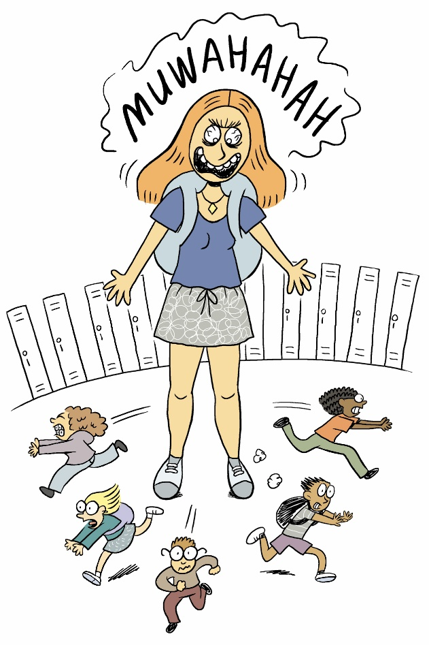
The most interesting and challenging part of writing the E&F series is figuring out how to make each character vulnerable in their own particular way…especially when I’m writing for SO many types of personalities. It’s a challenge I love, and I’m particularly proud of how it worked out in this story.
I hope that when you read the book, you’ll come to the same conclusion.